
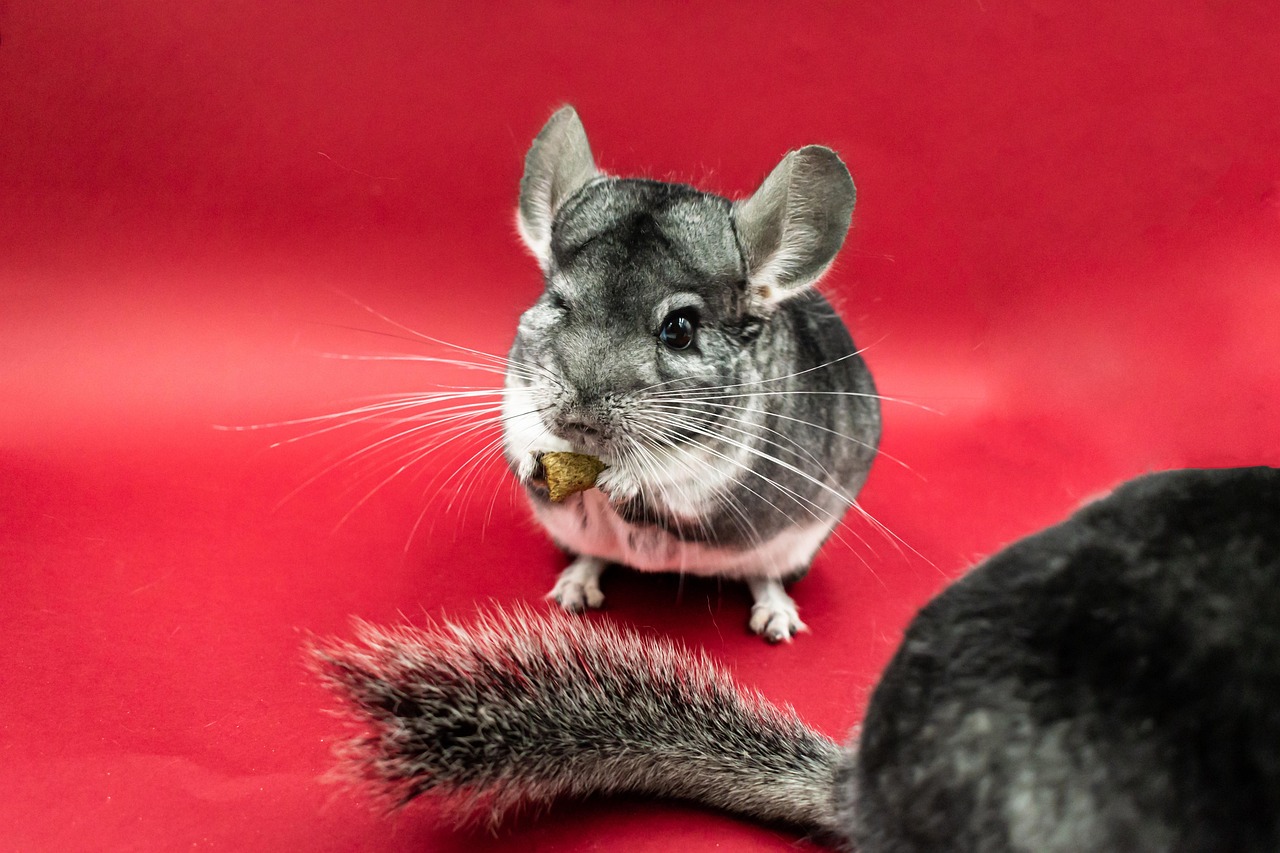
Treats have a way of bringing out a chinchilla’s persuasive side. One eager look from them can be hard to resist.
Your chinchilla may disagree, but treats are not needed for a complete diet. The essentials are still grass hay that is always available, a measured daily portion of chinchilla pellets, and fresh water. Our daily feeding guide brings those basics together before you choose any extras.
When choosing a treat, start with something simple: a short, clearly identified ingredient list that stays close to the everyday diet.
The quick answer
- Simple treat options include plain Timothy hay cubes, fresh greens such as romaine, green-leaf lettuce, or cilantro, and an occasional small piece of fresh apple or pear.
- Before buying a packaged treat, make sure the label lists every ingredient and identifies the product as suitable for chinchillas.
- Break off a piece of hay cube rather than offering the whole cube at once. Once your chinchilla is accustomed to fresh greens, keep the daily total to about 1/4 cup per pound of body weight. Offer less than 1 teaspoon of fresh apple or pear in total, and only occasionally—not every day.
- Leave out dried fruit and vegetables, grains, nuts, seeds, yogurt drops, and sweetened treats.
- Introduce one new treat at a time. If hay or pellet intake falls, or droppings become smaller or fewer, stop offering that treat and contact an experienced exotic veterinarian promptly—even if your chinchilla still accepts a favorite treat.
What to check before offering a treat
A hay-first diet means loose grass hay makes up most of what your chinchilla eats. Long-strand hay supports digestion and keeps chinchillas chewing, which helps wear their continuously growing teeth. Treats should never reduce normal hay intake.
The options below focus on hay-based treats, selected fresh greens, and occasional fresh fruit. For a packaged treat, check that the label names every ingredient and clearly identifies the product as suitable for chinchillas. If it contains a mixture, check every ingredient against the foods to leave out.
These suggestions are for healthy adult chinchillas. For a young chinchilla or one with dental, digestive, urinary, or other health needs, follow your veterinarian's advice.
Start with a hay-based option
Plain Timothy hay cubes stay close to the everyday diet but have a different texture than loose hay. Break off a piece rather than offering the whole cube at once. Not sure which loose hay to offer? Our guide to choosing the right hay for your chinchilla walks through hay types, textures, and quality checks.
Hay-based option
Small Pet Select Timothy Hay Cubes
- Why consider it
- The manufacturer lists Timothy hay as the food ingredient and identifies the cubes as suitable for chinchillas. The compressed texture gives you something different to hand-feed without adding fruit, grains, or sweeteners.
- Consider if
- You want a hand-fed option that stays close to the everyday grass-hay diet.
- Keep in mind
- The cubes are not pre-portioned as treats, so break one into pieces before offering.
Choose fresh greens and keep fruit occasional
For a fresh option, offer romaine, green-leaf lettuce, or cilantro. Once your chinchilla is accustomed to greens, keep the daily total to about 1/4 cup per pound of body weight. Start with less when introducing a new green. These are examples, not a complete list of every suitable green. That doesn't mean every green is a good choice, so check each ingredient before offering anything from a salad mix. Serve fresh greens plain and remove anything uneaten the same day.
Fruit is not needed. If you include it, offer less than 1 teaspoon of fresh apple or pear in total, and only occasionally—not every day.
Foods to leave out
Dried fruit and vegetables
Skip raisins, dried cranberries, banana chips, and other dehydrated fruit or vegetables. They are common in small-pet treat aisles, but they do not fit the conservative, hay-first approach.
High-calcium greens
Leave out kale, parsley, and dandelion greens because they are higher in calcium.
Grains, nuts, and seeds
Leave out cereal, oats, barley, wheat, corn, nuts, and seeds. Even when a package calls them natural, they move away from the high-fiber, low-fat everyday diet.
Yogurt drops and sweetened treats
Skip yogurt drops, honey-coated snacks, sweetened mixes, candy-like products, and human snack foods. Not every treat sold for small pets is suitable for chinchillas.
Dried flowers and herbal blends
The cautious choice is to leave out dried flowers and herbal blends unless your veterinarian recommends a specific flower for your chinchilla. Blends also make it harder to tell which ingredient caused a change in eating or droppings.
How to introduce a new treat
Introduce only one treat at a time. Offer a smaller amount at first, and keep the rest of the diet the same for several days. Watch for:
- reduced hay or pellet intake
- smaller, fewer, or unusual droppings
- being less active than usual or sitting hunched
If you notice any of these changes, stop offering the new treat. See when an appetite change needs veterinary care.
With multiple chinchillas, offer treats separately so you know which chinchilla ate what.
Do not let a favorite treat hide an appetite change
Suppose your chinchilla normally eats hay and pellets but suddenly refuses them, then accepts a favorite treat. That does not mean everything is fine. Dental pain and digestive illness can change what a chinchilla is willing to eat.
Contact an experienced exotic veterinarian promptly for a meaningful decline in normal eating—especially with smaller or fewer droppings, weight loss, lethargy, a hunched posture, or drooling. Going more than 12 hours without eating is an emergency.
References
- Rothacher M, Hatt J-M, Clauss M. A Comparison of Commercially Available Feeds for Rabbits, Guinea Pigs, Chinchillas and Degus with Evidence of Their Diet and Feeding Behaviour in Natural Habitats. Schweizer Archiv für Tierheilkunde. 2023;165(11):726–736.
- Merck Veterinary Manual. Diet for a Chinchilla.
- Merck Veterinary Manual. Routine Health Care for Chinchillas.
- Association of Exotic Mammal Veterinarians. How to Care for Your Chinchilla.
- VCA Animal Hospitals. Chinchillas — Feeding.
- NC State Veterinary Hospital. Caring for Your Pet Chinchilla.
- Mans C, Jekl V. Anatomy and Disorders of the Oral Cavity of Chinchillas and Degus. Veterinary Clinics of North America: Exotic Animal Practice. 2016;19(3):843–869.
- Small Pet Select. Timothy Hay Cubes. Manufacturer product details.