
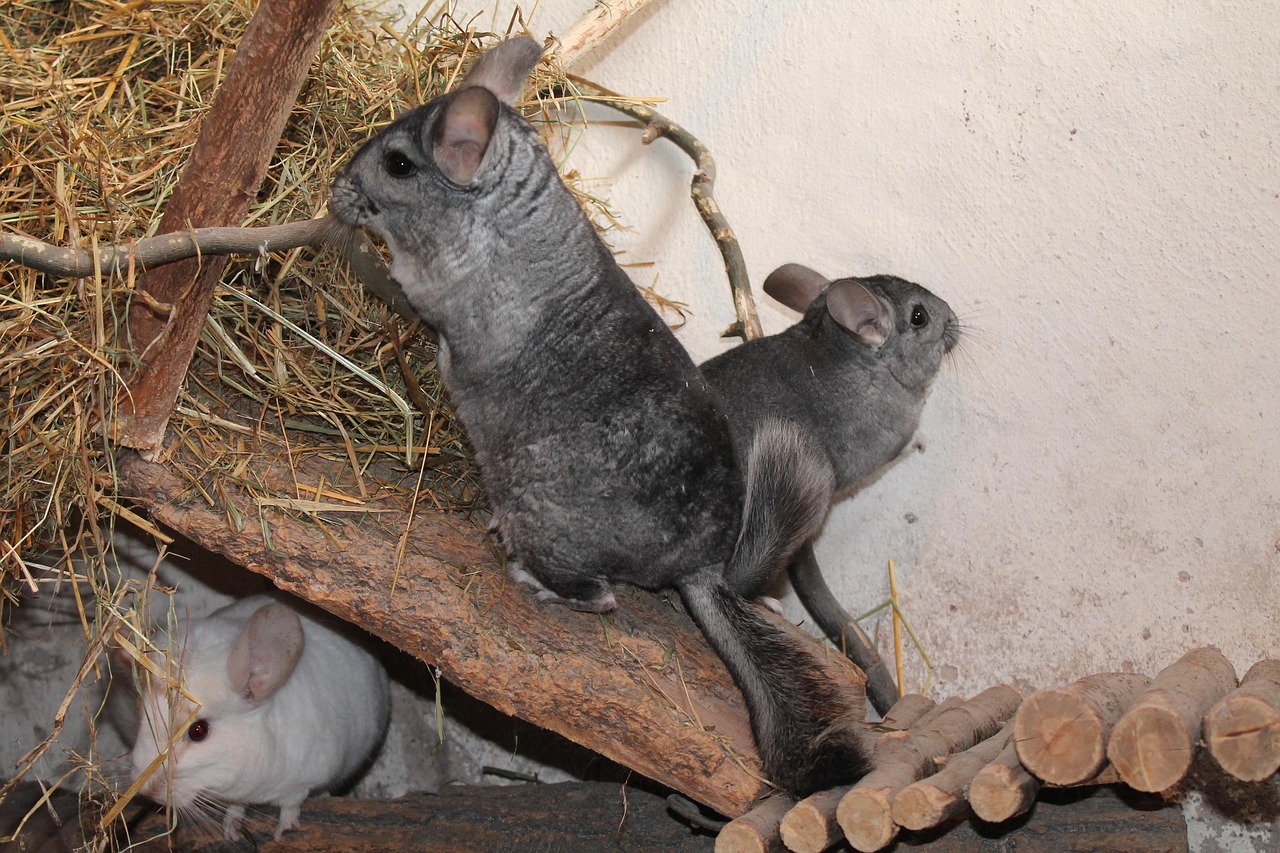
If you’re new to chinchillas, your first answer to “What does your chinchilla eat?” might be:
“Pellets.”
In reality, pellets are only a small part of a healthy diet. If that smaller part is the decision in front of you, start with our guide to choosing the right chinchilla pellets.
Hay should make up the vast majority of what a healthy adult chinchilla eats every day. Its long-strand fiber supports normal digestion, while all that chewing helps wear down continuously growing teeth. Fresh grass hay should be available at all times. For the full daily balance of hay, pellets, and water, see how to feed your chinchilla.
But knowing that your chinchilla needs hay is the easy part. The harder question is: Which hay should you buy?
The quick answer
For most healthy adult chinchillas, high-quality grass hay is the everyday choice. Not sure where to start? Timothy is a good first choice. Second cutting Timothy has a nice mix of leafy pieces and firmer stems, while orchard and other grass hays can add variety.
For a first purchase, buy a small quantity of second cutting Timothy, inspect its smell, dryness, and condition, and watch what your chinchilla actually eats. If they eat it consistently, continue with it and consider buying a larger size. If they reject it, try another grass hay, cutting, or supplier. The starting recommendations give you three different options.
Start with grass hay
Suitable grass hays include Timothy, orchard grass, botanical, oat, and meadow hay.
Timothy hay
Timothy is a great everyday starting point. It's easy to find, gives your chinchilla plenty of long-strand fiber, and keeps them chewing. If you see “first,” “second,” or “third” cutting on a package, those are different harvests of the same grass—not different varieties.
Orchard grass
Orchard grass is another good high-fiber option. It's usually softer than Timothy, and some chinchillas prefer the texture. You can serve it on its own or mix it with another grass hay.
What about alfalfa?
Alfalfa is a legume hay with more protein and calcium than grass hay. Too much calcium may contribute to kidney problems or bladder stones. Because individual needs vary, use it only when an experienced exotic veterinarian recommends it for your chinchilla.
Choose plain grass hay rather than products mixed with dried fruit, seeds, or nuts. Those extras can upset a chinchilla's sensitive digestive system, so they do not belong in everyday hay.
If you want to give a treat, choose it separately from everyday hay. Our safe chinchilla treats guide covers options and portions.
First, second, or third cutting Timothy?
Buy from a hay specialist and you may get to choose a cutting instead of a bag labelled simply “Timothy hay.” “First,” “second,” and “third” cutting describe successive harvests during the growing season—not whether the hay was harvested at an early or advanced stage of maturity. The plant's maturity at harvest, growing conditions, and handling still matter, so use the labels as a rough texture guide rather than a quality grade.
| Topic | Typical texture | A useful starting point for |
|---|---|---|
| First cutting | Often coarser and stemmier | Chinchillas that readily eat substantial stems |
| Second cutting | Often a mix of leaves and stems | Many healthy adults |
| Third cutting | Often softer and leafier | Chinchillas that strongly prefer softer hay |
Individual harvests can vary, so treat these as general tendencies rather than guarantees.
Why start with second cutting
Second cutting Timothy offers both sturdy stems for chewing and soft leaves that many chinchillas enjoy. That combination makes it a practical option to try first.
If your chinchilla consistently leaves coarse stems but otherwise eats normally, third cutting Timothy offers a softer, leafier option to try.
Let your chinchilla taste test before you buy in bulk
When you're trying a new hay, buy a small amount first. An excited first sniff is promising, but watch what disappears over the next few days. If your chinchilla keeps eating it, then a larger box may make sense.
Do not replace familiar hay all at once. Offer the new hay alongside it and increase the new option gradually over several days, as long as your chinchilla continues eating normally.
Sampling can help you compare Timothy cuttings, grass hay types, and suppliers without committing to several full boxes.
Do not be surprised if preferences change
Even when you find a winner, don't be surprised if things change. Hay varies from crop to crop, and chinchillas can change their minds too. One box may vanish quickly while the next gets a lukewarm reception.
Aim for consistent hay eating, not brand loyalty. If interest fades, it's fine to try another suitable grass hay, cutting, or trusted supplier.
How to recognize good hay
Before you fill the hay rack, use your eyes, nose, and hands. Check the hay's leafiness, color, smell, overall condition, and any foreign material.
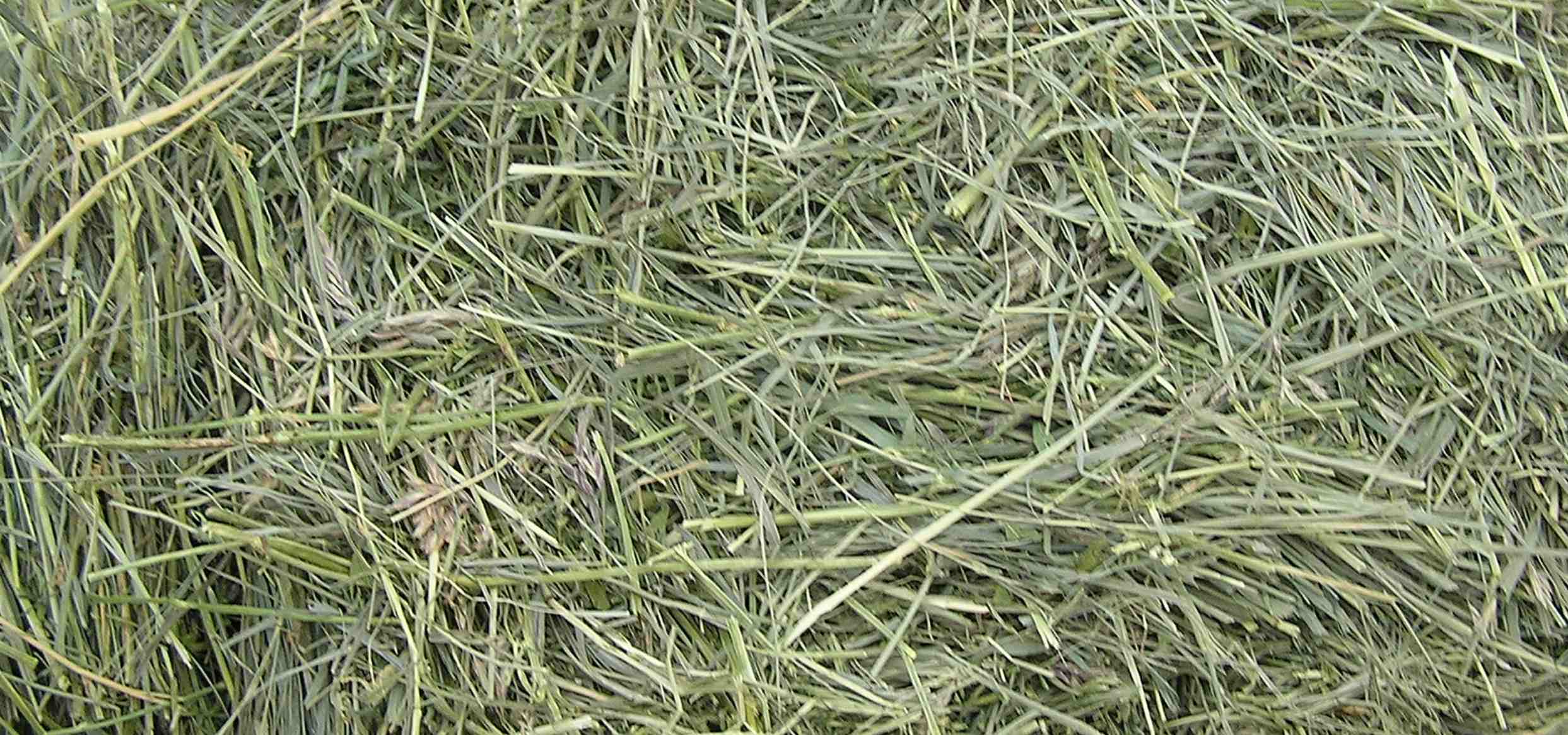
Your four-point hay check
- LookExpect recognizable leaves and stems rather than a package dominated by powder.
- SmellFresh hay should smell grassy, never musty or moldy.
- FeelHay should be dry and in good condition.
- ScanCheck for excessive dust, mold, weeds, and foreign material.
Color alone is not a reliable quality test. Hay may become less green because of maturity, weather, or sunlight, so judge it alongside its smell, dryness, texture, and overall condition. Avoid packages dominated by dust or tiny fragments.
Store hay in a dry, well-ventilated place and provide fresh hay every day. Discard any portion that becomes damp, musty, moldy, excessively dusty, or contaminated.
Our starting recommendations
These products represent three useful starting options: a specific Timothy hay cutting, a sampler, and a softer grass hay alternative. We selected them for their appropriate hay type, useful trial format, and detailed manufacturer information. These are practical starting points, not the results of a controlled product comparison. Hay quality and preferences can vary, so inspect every package and pay attention to what your chinchilla consistently eats. Product details were last checked August 15, 2026.
Practical first try
Small Pet Select 2nd Cutting Timothy Hay
- Why consider it
- Its mix of leaves and stems makes it a practical middle-ground texture to try first.
- Consider if
- Healthy adult chinchillas and first-time buyers who want a balanced Timothy texture.
- Trial option
- A 2 lb option was listed when checked.
- Keep in mind
- Natural harvests vary, and a bulk box is only economical when your chinchilla reliably eats it.
Sampler for comparison
Small Pet Select Sampler Hay Box
- Why consider it
- It currently combines four grass hay choices—2nd cutting Timothy, 3rd cutting Timothy, oat, and orchard—in one trial box.
- Consider if
- You want to compare several hay types before buying a larger package.
- Trial option
- One 8 lb box containing 2 lb each of four hay types.
- Keep in mind
- The sampler is designed to compare preferences; larger packages may be more practical once you know what is consistently eaten.
Softer grass hay option
Oxbow Orchard Grass
- Why consider it
- Orchard grass is an appropriate grass hay, and Oxbow describes this product as soft and aromatic.
- Consider if
- Adding another grass hay or testing whether your chinchilla prefers a softer texture and different aroma.
- Trial option
- A 15 oz option was listed when checked.
- Keep in mind
- A softer texture is a preference option, not automatically a nutritionally superior choice.
References
- MSD Veterinary Manual. Diet for a Chinchilla.
- VCA Animal Hospitals. Chinchillas — Feeding.
- LafeberVet. Chinchilla Nutrition.
- LafeberVet. Hay: Feeding Small Herbivores.
- VCA Animal Hospitals. Chinchillas — Health Conditions.
- NC State Veterinary Hospital. Caring for Your Pet Chinchilla.
- University of New Hampshire Extension. Hay Quality.
- Small Pet Select. Types of Hay, Explained.
- Small Pet Select. 2nd Cutting Timothy Hay.
- Small Pet Select. Sampler Hay Box.
- Oxbow Animal Health. Orchard Grass.